






India’s retail inflation accelerated to 3.93% in May 2026, reaching its highest level in 16 months as rising food prices, energy costs, and precious metal rates pushed consumer prices higher across several categories.
According to the latest data released by the government on Friday, inflation increased from 3.48% in April 2026 to 3.93% in May, marking a notable rise over recent months. Although the figure remains slightly below the Reserve Bank of India’s medium-term inflation target of 4%, economists believe inflationary pressures could strengthen in the coming months.
The increase comes at a time when concerns over delayed monsoon rainfall, climate-related disruptions, and ongoing geopolitical tensions in parts of West Asia continue to influence commodity and energy markets globally.
Food, Fuel and Precious Metals Drive Inflation Higher
Several essential and consumer-focused categories witnessed significant price increases during May.
Among the items recording the highest inflation were:
- Precious metal jewellery
- Tomato
- Ginger
- Raisins (Kishmish)
- Monacca
Meanwhile, some products registered lower inflation or price moderation, including:
- Potato
- Peas
- Motor cars and jeeps
- Cumin (Jeera)
- Motorcycles and scooters
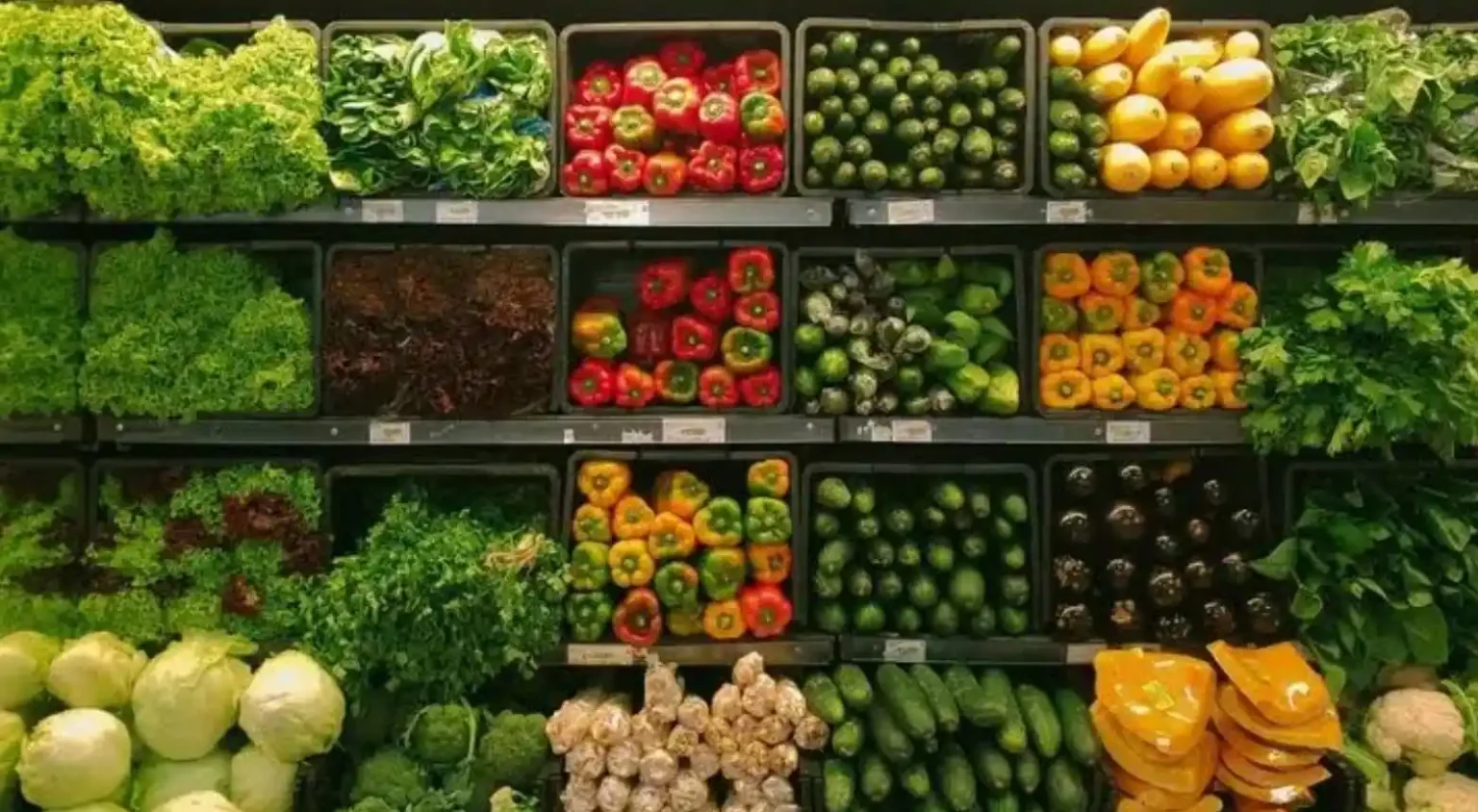
Food inflation remained one of the key contributors to the rise in headline consumer inflation. Seasonal factors, combined with weather-related supply challenges, placed upward pressure on vegetable and agricultural product prices.
Economists Highlight Emerging Price Pressures
Experts noted that while the inflation reading was slightly below market expectations, the overall trend indicates increasing cost pressures.

Rajni Sinha, Chief Economist at CareEdge, said that higher transport costs and food inflation were major drivers behind the latest increase. She added that the favorable statistical base effect from last year has started fading, while seasonal demand and supply conditions contributed to higher prices.
Heatwave conditions experienced across several regions of the country also affected agricultural output and supply chains, leading to increased prices for selected food items.
Meanwhile, Debopam Chaudhuri, Chief Economist at Piramal Group, observed that retail consumers have so far been relatively protected from the sharp rise in wholesale inflation, particularly in petrochemical and hydrocarbon-linked sectors. However, categories such as restaurant services, cooking fuel, and transportation have started witnessing sequential increases in prices.
Monsoon Progress Remains a Key Inflation Indicator
Economic analysts believe the southwest monsoon will play a crucial role in determining inflation trends during the second half of 2026.
A delayed monsoon can affect sowing activity, agricultural production, and food supply, ultimately influencing prices across the country.
Madan Sabnavis, Chief Economist at Bank of Baroda, stated that inflation could move higher at varying speeds depending on how rising energy costs are transmitted through the economy. He also pointed out that monsoon-related developments will likely have a direct impact on food inflation over the coming months.
Agriculture remains a significant contributor to India’s economy, and any disruption in rainfall patterns can affect crop yields, food availability, and consumer prices.
Inflation May Cross RBI’s 4% Target
Several economists now expect inflation to move above the RBI’s 4% benchmark in the near term.
Megha Arora, Director at India Ratings & Research, projects headline inflation to reach approximately 4.5% in June 2026, driven by weather-related uncertainties and global geopolitical developments.
She noted that ongoing geopolitical tensions and the possibility of El Niño-related weather disruptions remain key upside risks for inflation.
Despite these concerns, inflation is still expected to remain within the RBI’s broader tolerance range of 2% to 6%.
Markets Watch RBI’s Next Policy Moves
The latest inflation data has also renewed discussions around future monetary policy decisions.
Financial markets are increasingly assessing whether the Reserve Bank of India may consider policy tightening later this year if inflation continues to rise.
According to Upasna Bhardwaj, Chief Economist at Kotak Mahindra Bank, current headline and core inflation levels remain relatively comfortable. However, she emphasized that the impact of adverse monsoon conditions on food prices will be closely monitored.
Market participants are watching the RBI’s upcoming policy reviews, with some analysts expecting a possible rate increase beginning in October if inflationary pressures intensify further.
What This Means for Consumers
For households, higher inflation generally translates into increased costs for daily essentials, transportation, cooking fuel, and discretionary purchases. Rising food prices can particularly affect monthly budgets, especially in lower- and middle-income households.
Consumers may also see continued fluctuations in fuel-related expenses and commodity-linked products if global energy markets remain volatile.
Outlook
India’s inflation remains under control compared to many major economies, but the latest data signals that price pressures are gradually building. The trajectory of food prices, monsoon performance, energy markets, and global geopolitical developments will likely determine whether inflation stays near current levels or moves higher during the remainder of 2026.
With the RBI closely monitoring economic conditions, upcoming inflation readings will be critical in shaping expectations for interest rates and broader economic growth.